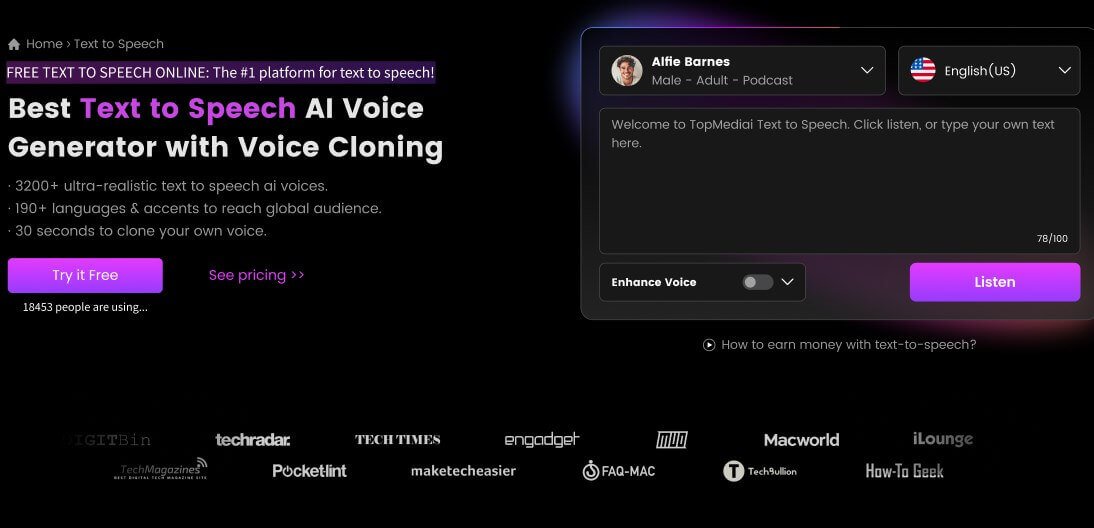
Remember that distinct, slightly robotic, yet utterly charming computer voice that graced our screens in the era of Windows XP? For many, Microsoft Sam isn't just a voice; it's a nostalgic timestamp, a quirky digital companion that brought text to life in a uniquely monotone fashion. Today, thanks to the magic of online Microsoft Sam TTS generators, that iconic sound is not only making a comeback but is more accessible and versatile than ever. Whether you're a content creator, a developer, or simply someone who misses the classic computing aesthetic, these tools offer a fascinating gateway to a bygone digital era.
This hub is your comprehensive guide to understanding, using, and celebrating the online Microsoft Sam TTS generator phenomena. We'll dive deep into its origins, explore how to conjure its unique speech, and discover the myriad ways people are bringing this retro voice into modern projects.
Rekindling the Charm of Classic Computer Voices
There's an undeniable allure to the voices of early computing. They were a novelty, a window into what felt like a futuristic world, even with their somewhat crude, synthesized tones. Microsoft Sam, with its unmistakable cadence and deliberate pronunciation, quickly became one of the most beloved and memorable of these early text-to-speech personalities. Its unique vocal signature has imprinted itself on a generation, sparking widespread affection and a touch of digital nostalgia. To truly appreciate its enduring appeal, it's worth understanding The History and Charm of this digital icon. It's a journey back to a time when computers were just beginning to find their voice, and Sam led the charge with a charmingly robotic delivery.
Your Gateway to Generating Microsoft Sam's Voice Online
The beauty of modern web technology means you no longer need old operating systems or complex software to access this classic voice. Online Microsoft Sam TTS generators have democratized its use, making it incredibly simple to transform your written words into Sam's signature speech. These platforms often leverage advanced JavaScript engines to meticulously recreate the original phoneme-driven synthesis, allowing for real-time adjustments and high-quality audio downloads. You can usually type your desired text, tweak settings like speed or pitch, and then download the generated audio, often in formats like WAV, ready for your projects.
If you're eager to start experimenting and bring your text to life with that vintage computer flair, we've got you covered. Discover the straightforward steps and best tools available by reading our guide on How to Generate Microsoft Sam with ease.
Unleashing Creativity: From Memes to Modern Media
The distinctive voice of Microsoft Sam has found a vibrant second life in the digital age, extending far beyond its original educational or accessibility purposes. Its unique sound makes it perfect for comedic skits, engaging narrations for explainer videos, or adding a retro touch to podcasts. Perhaps most famously, Microsoft Sam has become a cornerstone of internet meme culture, providing the voice for countless viral videos and audio clips that play on its deadpan delivery and unexpected interpretations. Content creators across platforms like YouTube and TikTok frequently tap into its comedic potential, turning everyday phrases into memorable soundbites.
For a deep dive into how users are creatively employing this iconic voice and the most popular memes it has inspired, explore the endless possibilities in Creative Uses and Memes with this beloved digital personality.
The Inner Workings: Understanding Text-to-Speech Technology
While the experience of using an online Microsoft Sam TTS generator feels almost magical, there's a fascinating world of technology powering it all. The underlying principles of text-to-speech (TTS) synthesis have evolved dramatically over decades, moving from simple phonetic rules to complex AI and machine learning models. Early systems like Microsoft Sam relied heavily on phoneme synthesis, breaking down words into basic sound units and then stringing them together, which explains its characteristic segmented delivery. Modern TTS, on the other hand, often employs concatenative synthesis or even neural networks to produce incredibly natural-sounding voices that are almost indistinguishable from human speech.
Curious about the algorithms and methodologies that transform text into audible language, from Sam's rudimentary charm to today's sophisticated AI voices? Our detailed explanation of How text-to-speech works will illuminate the science and engineering behind this incredible capability.
Beyond Sam: Exploring the Evolution of Digital Voices
While Microsoft Sam holds a special place in our digital hearts, the world of text-to-speech has continued to advance at an astonishing pace. Today, we have access to a vast array of voices that can convey emotions, speak in multiple languages with native accents, and adapt their tone to suit various contexts. From the smooth, natural intonations of modern AI assistants to specialized voices designed for audiobooks or professional narrations, the field is constantly innovating. These contemporary voices often sound remarkably human, a stark contrast to Sam's mechanical charm, showcasing the incredible progress in vocal synthesis technology.
If you're interested in seeing how far TTS has come and discovering other groundbreaking digital voices shaping our auditory landscape, venture into the future with Beyond Microsoft Sam: Exploring Other significant vocal personalities in the digital realm.
The revival of the online Microsoft Sam TTS generator is more than just a trip down memory lane; it's a testament to the enduring power of iconic digital artifacts. It shows how technology, even in its simplest forms, can leave a lasting cultural footprint and continue to inspire creativity and connection across generations. As digital voices become increasingly sophisticated, the unique character of Sam will always remind us of where we started, a charmingly simple voice in a rapidly evolving digital world.